
Our Work
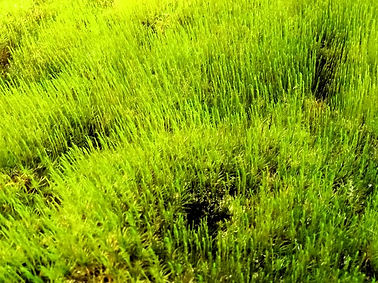
Using moss for natural air purification
Moss, nature's verdant carpet, silently graces our forests and rock faces with understated beauty, but its potential goes far beyond mere aesthetics. These tiny, resilient plants are Earth's unsung purifiers, capturing particulates, absorbing pollutants, and releasing oxygen into our environment. Utilizing moss as a natural air purifier in our urban spaces presents a sustainable solution to rising air quality concerns, merging the elegance of ancient nature with the needs of the modern world. Embracing moss not only brings a touch of wilderness into our living spaces, but also harnesses its innate ability to cleanse the very air we breathe, making our homes and offices sanctuaries of fresh air and serene beauty.
Reshaping of the Future Farming: From Industry 4.0 Toward Agriculture 4.0
As humanity teeters on the brink of the Fourth Industrial Revolution, the agricultural sphere stands at an unprecedented crossroads. The reshaping of future farming is not merely a technological leap, but a holistic transformation from Industry 4.0 to Agriculture 4.0. This evolution heralds a symphony of data-driven precision, sustainable practices, and interconnected ecosystems, orchestrating a future where farms resonate with machine learning, drones, and IoT. In this vibrant paradigm, we're not just growing crops, but cultivating a nexus of intelligence and nature. Agriculture 4.0 is the beacon that promises a harmonious fusion of age-old farming wisdom with the pulsating rhythm of modern technology, ushering in an era of abundance, sustainability, and unprecedented efficiency.


Cultivation of high quality Spirulina in controlled environment
The project develops a tubular photobioreactor to cultivate high-quality spirulina, aiming to supply the nutrition, cosmetic, and pharmaceutical industries. These advanced bioreactors address traditional farming issues, ensuring superior spirulina quality suitable for human consumption and enabling cultivation of other microalgae as well.
From laboratory cultivation to full-scale production, the project spans all development phases, including quality certification and processing into consumable forms. The bioreactor's modular glass tube design allows for flexible scaling and is controlled by a microcontroller system to maintain optimal growth conditions.
Utilizing microalgae for organic air cleansing
Air pollution is a significant concern in urban centers, particularly during the winter months. The use of microalgae as biofilters is an innovative approach gaining traction. These organisms are adept at converting CO2 into oxygen, thus purifying the air by diminishing harmful pollutants like CO and VOCs. They're also effective at trapping and neutralizing airborne toxins such as NOx, SOx, and particulates. Microalgae's rapid growth and versatility not only facilitate quick pollutant removal but also open avenues for creating value-added products like biofuels and bioplastics, marrying ecological sustainability with economic viability.


Machine learning-based system for early detection of plant diseases
Artificial intelligence, with machine learning at its core, is currently being used for early prediction of plant diseases, providing an eco-friendly solution that cuts down pesticide usage and costs. The ongoing project is crafting a mobile application that uses a neural network to diagnose plant diseases, starting with tomatoes and expanding to other vital crops. This evolving technology will soon be capable of predicting disease outbreaks, offering farmers real-time, actionable insights for crop protection.